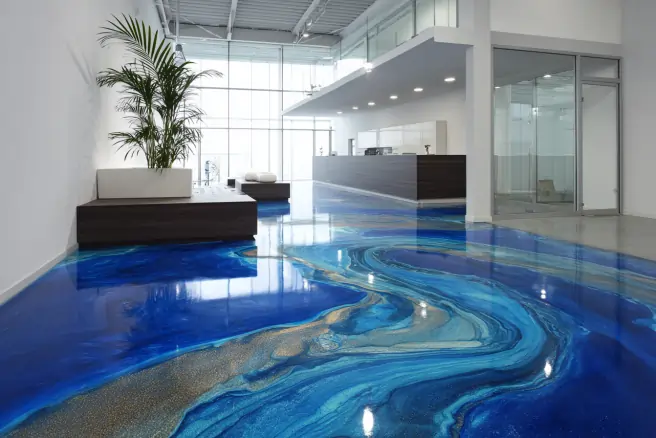
Epoxy garage floors have emerged as one of the most popular home improvement trends for 2026. As homeowners look for ways to enhance the functionality, durability, and aesthetic appeal of their garages, epoxy coating stands out as a transformative solution. Whether you use your garage as a workspace, a storage area, or an extension of your living space, epoxy flooring provides both practical benefits and visual upgrades.
Why Epoxy Garage Floors Are Trending in 2026
- Durability:Epoxy is known for its ability to withstand heavy wear and tear. It resists stains, cracks, and abrasions caused by vehicles, tools, or heavy equipment.
- Aesthetic Appeal:With a variety of colors, patterns, and finishes available—including metallics and high-gloss options—epoxy floors can elevate the appearance of an otherwise basic space.
- Ease of Maintenance:The smooth surface is easy to clean with just water or mild cleaning agents. Dust and debris can be swept away effortlessly.
- Increased Home Value:A well-installed epoxy floor can add value to your property by providing a polished and professional look that reflects care and attention to detail.
Key Features That Make Epoxy Flooring Stand Out
| Feature | Benefits |
| Resistance | Withstands oil stains, water damage, chemicals, and even UV exposure. |
| Seamless Finish | Creates a smooth surface that eliminates awkward grout lines or cracks. |
| Variety | Available in multiple designs such as solid colors or decorative flakes. |
| Longevity | When properly installed and maintained, it can last up to 10–20 years. |
How Epoxy Flooring Transforms Your Garage Space
Epoxy flooring doesn’t just improve durability—it transforms how the space feels and functions.
- Enhanced Lighting:The reflective surface helps brighten up the area by amplifying natural or artificial light. This makes epoxy flooring ideal for garages that double as workshops.
- A Clean Look:Unlike porous concrete floors that collect dirt over time, epoxy creates a polished appearance that stays looking fresh for years.
- Custom Design Options:From bold color choices to intricate patterns like marbling or flake blends, homeowners can choose an epoxy style that matches their vision.
Tips When Considering Epoxy Coating for Your Garage
- Hire professionals who specialize in epoxy installation to ensure proper preparation and application.
- Choose finishes based on how you use your garage (e. g. , high-gloss finishes work well for enhancing light reflection but may show scratches more easily).
- Check the warranty provided by contractors; many reputable companies offer warranties lasting several years.
Whether you’re preparing your home for resale or simply seeking a personal upgrade, epoxy flooring offers style without compromising strength—making it one of this year’s smartest investments for homeowners looking to transform their garages into versatile spaces.
The Benefits of Clearwater Epoxy Garage Flooring in Modern Home Improvement
Epoxy floor coating is rapidly gaining popularity within the home improvement industry, particularly for spaces like garages, basements, and even interiors. This trend is driven by homeowners seeking durable, low-maintenance, and aesthetically appealing flooring solutions that can withstand daily wear and tear while also adding value to their homes. Let’s explore why epoxy floor coating has become a top choice in modern home improvement projects.
Freedom Epoxy
https://freedomepoxy.com/contact/
Durability and Longevity
One of the primary reasons for epoxy’s growing popularity is its remarkable durability.
- Withstands heavy loads from vehicles, machinery, or equipment
- Resists chips, cracks, and abrasions caused by high foot traffic or dropped items
- Fights against chemical spills such as oil, gasoline, or cleaning agents without deteriorating
When properly installed and maintained, epoxy flooring can last up to 10–20 years — a longevity unmatched by most traditional flooring options.
Aesthetic Versatility
Epoxy floors offer an array of design possibilities. Homeowners can customize their floors with various colors, patterns, textures, or finishes to match their personal style.
- Metallic Finishes: These create an elegant marble-like appearance.
- Flake Systems: Adding decorative flakes for texture and visual interest.
- Solid Colors: Clean and simple shades for a sleek modern aesthetic.
- Glossy Finishes: High-shine surfaces that reflect light beautifully.
This adaptability allows homeowners to transform dull concrete floors into visually stunning surfaces tailored to their preferences.
Low Maintenance
Another major appeal of epoxy flooring is its ease of maintenance compared to traditional materials like tile or wood.
- Seamless Surface: There are no grout lines or cracks where dirt can accumulate.
- Easy Cleaning: Sweeping away dust or mopping liquid spills is effortless due to the nonporous surface.
- Stain Resistance: Epoxy does not absorb stains from oil leaks or household chemicals.
This makes it ideal for busy households or areas prone to messes.
Cost Efficiency
Although the upfront installation cost of epoxy floors may seem higher than alternatives like tiles or vinyl flooring, its long lifespan makes it a cost-efficient solution over time.
| Feature | Savings Over Time |
| Long Lifespan | Reduces need for frequent replacements |
| Minimal Repairs | Resists damage better than other materials |
| Energy Efficient | Reflective properties reduce lighting costs |
By avoiding recurring replacement expenses and costly repairs associated with other types of flooring, many homeowners find epoxy coatings a worthwhile investment.
Safety Features
- Anti-slip additives can be integrated into the coating for improved traction.
- Reflective finishes improve visibility in dimly lit spaces like garages.
- Fire-resistant properties contribute to overall household safety.
These features make it suitable not only for aesthetics but also as a practical solution in busy households.
Environmental Considerations
Many modern epoxy formulations are designed with environmental sustainability in mind. Low-VOC (volatile organic compound) options are widely available today, reducing harmful emissions during installation while promoting better air quality within your home.
Epoxy floor coatings have evidently captured the attention of homeowners due to their unmatched combination of durability, versatility, affordability over time, and aesthetic appeal. This surge in popularity reflects a shift towards functional yet visually pleasing designs — truly making it one of 2026’s hottest home improvement trends worth considering.
Benefits of Choosing an Epoxy Flooring Company Clearwater FL for Your Garage Floors
Epoxy flooring has become an increasingly popular choice for homeowners looking to enhance their garage spaces. But what exactly makes epoxy coating such a smart and practical option? Below are seven key benefits that showcase why it’s worth considering for your garage floor upgrade.
One of the standout advantages of epoxy coating is its exceptional durability. This material can withstand heavy loads, making it ideal for garages where vehicles, equipment, and storage items are commonly placed. Unlike standard concrete floors, epoxy is resistant to cracking, chipping, and wear caused by regular use, offering years of reliable performance.
- Impact resistance:Protects the floor from damage due to dropped tools or heavy machinery.
- Abrasion resistance:Maintains its surface even under consistent foot traffic or tire friction.
Epoxy coatings are highly resistant to a wide range of chemicals such as oils, gasoline, cleaners, and other automotive fluids. This property makes them perfect for garages where spills are common. Simply wipe up the spill without worrying about stains or long-term damage.
| Substance | Resistance Level | Maintenance Required |
| Motor Oil | High | Wipe clean |
| Gasoline | High | Quick clean-up |
| Cleaning Solutions | Excellent | Minimal effort |
Epoxy flooring transforms dull concrete into a polished and sophisticated surface. Available in various colors, patterns, and finishes (like metallic or flake designs), epoxy offers customization options that allow homeowners to personalize their garage space. It creates a sleek look while increasing visual appeal.
- Available finishes: Glossy, matte, textured.
- Customizable with decorative chips or color blends.
Maintaining an epoxy-coated garage floor requires minimal effort compared to other flooring options like tile or bare concrete. Its smooth surface resists dust accumulation and can be cleaned with basic sweeping or mopping.
Cleaning Tips:
- Use a soft broom or microfiber mop for routine cleaning.
- For tougher stains, mild detergent mixed with warm water will suffice.
- Avoid abrasive cleaning tools that could scratch the surface.
While the initial cost of installation may seem higher than some alternatives like tiles or plain concrete sealers, epoxy coatings offer excellent long-term value due to their durability and low maintenance requirements. Homeowners save money on repairs, replacements, and frequent cleaning supplies over time.
Safety is always a priority in any space where vehicles or heavy equipment are present. Epoxy coatings can be designed with slip-resistant additives that provide extra grip even when the surface is wet—an essential feature for environments prone to spills or moisture build-up.
Slip Resistance Additives:
- Quartz sand.
- Aluminum oxide grit.
- Polyethylene beads.
Compared to replacing worn-out tiles or reapplying sealants every few years on bare concrete floors, epoxy coating generates less waste over its lifespan due to its durability and longevity.
- Many modern epoxy products are low-VOC (volatile organic compounds), making them safer for indoor air quality.
- Reflective surfaces reduce the need for additional lighting in your garage by enhancing brightness naturally.
By choosing an epoxy-coated garage floor upgrade today, homeowners can enjoy these benefits while improving functionality and aesthetics in one seamless application process—making it one of the smartest choices available in home improvement projects today!
How Epoxy Floors are Installed: A Step-by-Step Guide to the Process
Installing epoxy flooring requires precision, attention to detail, and proper preparation to ensure a durable and attractive finish. For homeowners considering this upgrade, understanding the process helps set realistic expectations for time, labor, and results. Below is a comprehensive guide to how epoxy floors are installed.
Step 1: Surface Preparation
The foundation for a successful epoxy coating lies in proper surface preparation.
- Cleaning: The garage floor must be thoroughly cleaned to remove dirt, oil stains, grease, or any existing coatings. A degreaser or specialized cleaner is often used for this purpose.
- Repairing Cracks and Imperfections: Any cracks or chips in the concrete surface should be filled with an epoxy repair compound or patching material.
- Grinding/Etching: The floor must be roughened using methods such as diamond grinding or acid etching. This ensures that the epoxy adheres properly to the surface by creating a texture for better bonding.
Step 2: Priming the Floor
A high-quality primer is applied after cleaning and preparing the floor. This layer improves adhesion between the concrete surface and the epoxy coating.
- Reduces absorption of the topcoat by porous concrete.
- Enhances durability of the overall application.
- Minimizes air bubbles during curing.
The primer is allowed to dry completely before proceeding to the next steps.
Step 3: Mixing and Applying Epoxy
Epoxy consists of two components: resin and hardener. These must be mixed in precise proportions according to manufacturer instructions. Once mixed, it begins curing quickly, so timing is critical during application.
- The first coat of epoxy is poured onto the prepared surface and spread using rollers or squeegees.
- Working in small sections ensures even distribution across all areas of the floor.
- If decorative elements like color flakes are desired, they’re sprinkled onto the base layer while it’s still wet.
Step 4: Additional Coats (If Necessary)
- Used when adding heavier decorative elements like quartz sand or metallic pigments.
- Serves as a protective sealant over decorative layers.
- Provides resistance against UV rays, chemicals, stains, and wear-and-tear from heavy vehicles.
Each layer needs sufficient drying time before applying subsequent coats — usually between 12-24 hours depending on environmental conditions such as temperature and humidity levels.
Step 5: Curing Time
- The floor must cure (harden) fully before being used.
- Light foot traffic after 24 hours.
- Vehicle parking only after at least 72 hours (longer if heavy loads are involved).
Common Tools & Equipment Used During Installation
| Tools/Equipment | Purpose |
| Diamond Grinder | Surface roughening/preparation |
| Squeegee/Roller Brushes | Spreading epoxy evenly |
| Mixing Drill | Ensuring accurate resin-hardener blend |
| Protective Gear | Safety during chemical handling |
Properly installed epoxy flooring not only boosts visual appeal but also guarantees lasting durability when maintained well over time — making it an investment worth considering for any homeowner’s garage transformation project.
Frequently Asked Questions Answered by an Epoxy Garage Flooring Contractor in Clearwater FL
Epoxy flooring is gaining immense popularity among homeowners looking for durable, stylish, and low-maintenance solutions. However, many questions arise when considering epoxy coating for a garage floor. Below are some of the most commonly asked questions about epoxy coatings, answered in detail to help you make an informed decision.
What is Epoxy Flooring?
Epoxy flooring is a surface treatment made by combining resin and a hardener to create a durable and seamless coating. Once applied to a concrete surface, it cures into a hard plastic-like material that offers exceptional resistance to wear, chemicals, and impacts.
How Long Does an Epoxy Coating Last?
When properly installed and maintained, epoxy flooring can last 10-20 years in residential garages.
- Surface preparation: Proper cleaning and repairing of the concrete base.
- Quality of materials: High-quality resins and hardeners result in more durable coatings.
- Usage: Heavy traffic or exposure to harsh chemicals may reduce its lifespan.
Regular cleaning and avoiding abrasive tools can help extend the life of your floor.
Can Epoxy Floors Handle Heavy Loads?
Yes, epoxy floors are designed to handle significant weight loads. This makes them ideal for garages housing heavy vehicles such as SUVs or trucks. Their compressive strength ranges between 3,000 to 10,000 psi (pounds per square inch), depending on the type of epoxy used.
Are Epoxy Floors Slippery?
Epoxy floors can become slippery when wet due to their smooth finish. However, slip-resistant additives can be incorporated during installation for better grip.
- Aluminum oxide
- Silica sand
- Polypropylene beads
This ensures safety while maintaining the aesthetic appeal.
How Do You Clean and Maintain an Epoxy Garage Floor?
- Sweep regularly: Use a soft-bristle broom or dust mop to remove debris.
- Mop with warm water: Clean spills immediately with water or mild soap.
- Avoid harsh chemicals: Acidic or abrasive cleaners may damage the surface.
- Use mats or rugs strategically: Place mats under tires or areas prone to spills.
Regular care will keep your garage floor looking new for years.
What Are Some Common Installation Challenges?
Installing epoxy flooring requires precision and expertise.
| Challenge | Solution |
| Poor surface preparation | Thoroughly clean & repair cracks |
| Incorrect mixing ratio | Follow manufacturer instructions |
| Humidity issues | Install in dry conditions |
Hiring professional installers can mitigate these risks.
Can I Install Epoxy Myself?
While DIY kits are available, applying epoxy properly requires experience with surface preparation, mixing ratios, and curing times. Mistakes during application can result in peeling or bubbling over time. For optimal results, hiring professionals is highly recommended.
Is Epoxy Eco-Friendly?
Most epoxies contain low levels of volatile organic compounds (VOCs) that evaporate during installation but become inert once cured. Look for eco-friendly options labeled as “low-VOC” if sustainability is a priority.
By understanding these frequently asked questions about epoxy garage floors, you’ll be better equipped to decide if this versatile coating is right for your home improvement needs.
Epoxy Flooring vs. Tile: Which is the Better Choice for Your Home?
When it comes to upgrading your flooring, two popular options stand out: epoxy flooring and tile. Both have their own advantages and drawbacks, making it essential to evaluate your specific needs before making a decision. Below, we’ll compare epoxy flooring and tile based on several critical factors such as durability, cost, maintenance, aesthetics, and installation.
Durability and Longevity
- Epoxy Flooring: Known for its exceptional strength, epoxy resin creates a seamless surface that’s highly resistant to impact, abrasions, stains, and chemicals. This makes it ideal for garages, basements, and other high-traffic areas.
- Tile Flooring: While tiles are generally durable and scratch-resistant, they lack the flexibility of epoxy. Over time, grout lines may crack or stain under heavy usage or moisture exposure.
Winner: Epoxy flooring offers superior durability in environments with high wear-and-tear potential.
Cost Comparison
| Aspect | Epoxy Flooring | Tile Flooring |
| Material Cost | Lower-to-moderate | Moderate-to-high |
| Installation Cost | Moderate (requires expertise) | Higher (labor-intensive) |
| Maintenance Cost | Minimal | Varies (grout cleaning) |
While both options require an initial investment, epoxy often proves more cost-efficient over time due to lower maintenance needs.
Maintenance Requirements
- Seamless surface makes cleaning effortless.
- Requires occasional reapplication of topcoat every few years depending on use.
- Resistant to oil spills and chemicals—perfect for garages.
- Grout lines are prone to dirt accumulation and require frequent cleaning.
- Tiles may crack or loosen over time if not installed correctly.
Winner: Epoxy is easier to maintain due to its nonporous surface.
Aesthetic Options
Both flooring types offer high aesthetic appeal but cater to different design preferences: – Epoxy Floors: – Available in customizable colors, patterns like metallic swirls or flakes for a modern look. – Provides a sleek and seamless finish that adds a contemporary touch.
- Offers a broader range of textures such as natural stone or ceramic designs.
- Ideal for homeowners seeking traditional or rustic aesthetics.
Installation Process
Installing epoxy requires careful preparation of the substrate followed by multiple layers of resin application. It’s best handled by professionals to ensure long-lasting results. Tile installation is labor-intensive as each piece must be placed individually with precision.
Key Takeaways
When deciding between epoxy flooring and tile for your home: 1.epoxy flooring if you prioritize durability, low maintenance needs, seamless finishes, or cost-effective solutions over time. 2.tile flooring if you value traditional aesthetics and don’t mind periodic grout maintenance or higher upfront costs.
By considering these factors carefully based on your space’s usage needs and design preferences, you can make an informed decision tailored to your lifestyle requirements.
- Epoxy Flooring Installers Clearwater FL: Transform Your Space with 2026’s Hottest Home Improvement Trend
- Why Choose an Epoxy Flooring Company Clearwater FL for Your Residential Garage Floors
- Debunking Myths with an Epoxy Flooring Company in Clearwater FL
- Discover the Benefits of Clearwater Epoxy Garage Flooring for Your Space
- Top 5 Reasons to Hire Epoxy Flooring Installers Clearwater FL for Your Garage Floor
- Transform Your Space with Clearwater Epoxy Garage Flooring: 5 Game-Changing Advantages Explained
- 10 Advantages of Clearwater Epoxy Garage Flooring for Superior Flooring Solutions
- Discover the Benefits of Hiring an Epoxy Flooring Company Clearwater FL
- Durable Clearwater Epoxy Garage Flooring Solutions That Last a Lifetime